

Your home is prone to noise and nuisance if surrounded with train tracks, highways, or crowded city streets. It can disrupt rest, and your peace. When re-designing doors and windows, homeowners typically compare laminated glass with the tempered glass that is used for noise reduction.
The laminated glass is thought to provide greater sound insulation. This is due to its layering structure which absorbs sound waves better than the glass that is tempered. Although both types of glass are more durable than normal glass, their effectiveness in noise reduction is different. Let’s look at the differences to determine which glass can provide the most quiet results.
Understanding Noise and the Glass That Keeps It Out
Noise doesn’t simply go through gaps; it travels across the glass sheet. In urban areas like Toronto, where homes frequently have to contend with a crowded or noisy surrounding, selecting the best glass for noise reduction is important. This is a crucial decision for both residential and commercial settings.
When seeking Toronto glass repair and replacement, the most common concern you may have could be: which is better at blocking sound: laminated glass or tempered glass? The answer lies in the way that they are constructed and how they work in relation to sound. One is focused on strength, while the other focuses on the sound insulation. Understanding the difference in manufacturing can help to make the right choice when noise is a significant problem.
How Laminated Glass Handles Sound Waves Differently
Laminated glass isn’t one fragment of glass. It is made up of two to three glass layers that are bonded by plastic interlayers. These are typically the polyvinyl butyral of plastic sit between the panes, and aid to block the path that sound waves travel through. When sound waves try to pass through the material, the interlayers absorb and slow down the sound’s energy.
This arrangement doesn’t just increase sound insulation, it also helps hold the glass together in case it cracks. In contrast to tempered glass that shatters into sharp shards upon the impact, laminated glass is generally intact. It is therefore safer in homes, especially when it comes to children.
Laminated glass offers more than UV and security. It is also the most effective glass to reduce noise. In offices and homes that are constantly surrounded by sound, the advantages of laminated glass are obvious.
What Tempered Glass Offers and Where It Falls Short
Tempered glass is manufactured by rapidly cooling the glass after heating, which increases its strength by several times than ordinary glass. Tempered glass shatters into blunt pieces if breaks. This makes them safer than any other glass options.
The processes of manufacturing tempered glass prioritize durability and safety, not on blocking sound waves. Since it does not have the layered structure that is found in laminated glass, its capability to block sound is restricted. This doesn’t mean that the tempered glass isn’t useful in noise-control. It can be utilized as in double-glazed windows which reduce noise a little. However, when looking at laminated glass vs tempered glass noise reduction, the former always outperforms because of its interlayers made of plastic.
Comparing Laminated Glass vs Tempered Glass for Homes in Busy Areas
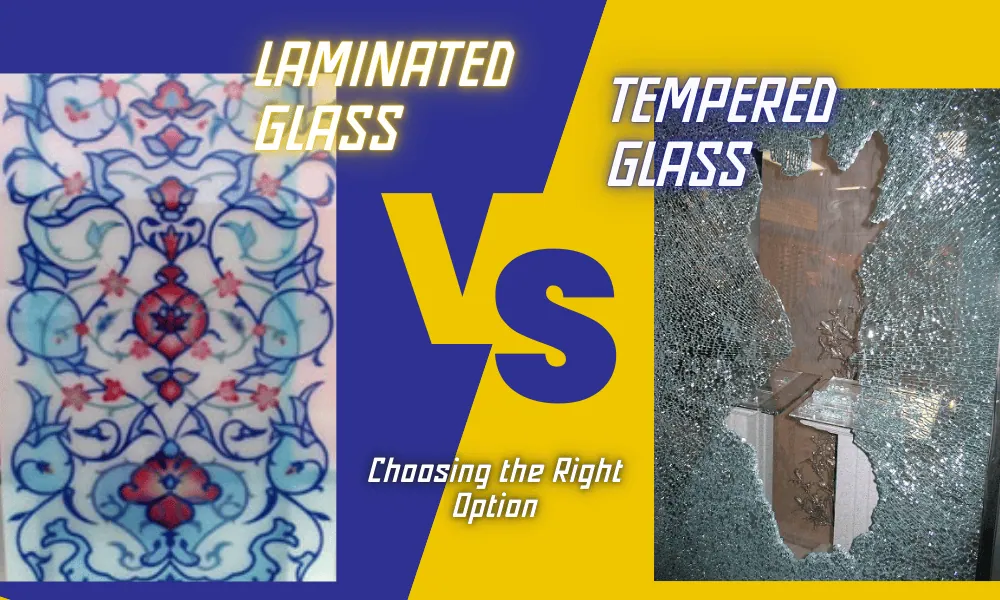
In the urban areas of downtown Toronto, outdoor noise can be difficult to ignore. If you’re looking into Toronto glass repair and replacement, choosing the appropriate glass will make a significant difference.
When it comes to picking a winner between laminated and tempered glass, laminated glass totally steals the show. It’s like a superhero at muffling noise. That special plastic layer in laminated glass is a total pro at soaking up vibrations and keeping those pesky sound waves from crashing your indoor chill. Got a home facing a noisy Toronto street, a construction site, or a busy transit hub? Laminated glass has your back, turning your space into a cozy, quiet retreat.
Tempered glass is strong, but it lacks the internal layering that suffocates the sound. Its strength is advantageous in areas with high impact, such as glass tabletops, balcony railings, or exterior panes with high-rises, but not in situations where the aim is quiet and peace inside.
If you’re looking for the strength and peace, laminated and tempered glass a great combination to create customized configurations. However, for pure noise-reducing, laminated glass is the most popular option.
Why Toronto Homeowners and Businesses Prefer Laminated Glass
Toronto residents typically seek out sturdy and quiet alternatives for their homes as well as commercial structures. If you are looking for Toronto glass repairs and replacement, the laminated glass option is often suggested for buildings facing the street or structures close to industrial areas.
In addition to soundproofing, laminated glass offers additional benefits such as UV protection, impact resistance, and less fading of furniture in the interior. Its layers of plastic not only block sound waves but also protect against damaging rays and burglaries.
However, tempered glass continues to be popular in areas in which safety and strength are essential. Shower doors, stairs, along with glass partitions can be ideal areas where tempered glass is applicable.
Laminated glass has been the trusted choice of many. It stands out for neutralizing noise and maintaining the peace in your space.
Final Thought: Making the Right Choice for Your Space
When picking the ideal glass to reduce noise, understanding the purpose of each glass type is beneficial. Tempered glass provides security, strength, and resistance to breaking. But when silence is the objective, laminated glass will lead the way.
If urban noise is a part of your everyday life, consider depending on reputable professionals to assist with Toronto glass repairs and replacements. One of these names, Tanic, has been well-known for providing customized solutions that address both acoustic and structural needs. The ultimate choice is shaped by the quality of living you want to experience.
FAQs
Q: Does laminated glass reduce noise better than tempered glass?
A: Yes. Laminated glass significantly outperforms tempered glass for noise reduction. This is because laminated glass is made of two or more glass layers bonded by a PVB (polyvinyl butyral) plastic interlayer that absorbs and disrupts sound waves as they pass through. Tempered glass, being a single-layer product focused on strength, lacks this acoustic dampening capability.
Q: How does the construction of laminated glass help with soundproofing?
A: Laminated glass consists of multiple glass panes bonded together with a plastic interlayer. When sound waves travel toward the glass, the interlayer absorbs and slows down the energy of those waves, significantly reducing the amount of sound that passes through. This layered structure is what gives laminated glass its superior acoustic performance over other glass types.
Q: When is tempered glass a better choice than laminated glass?
A: Tempered glass is the better choice when safety, strength, and impact resistance are the primary concerns rather than noise reduction. It is ideal for shower doors, balcony railings, glass tabletops, and high-rise exterior panels where structural durability matters most. For pure soundproofing, however, laminated glass is the superior option.
Q: Can laminated glass provide benefits beyond noise reduction?
A: Yes. In addition to its acoustic properties, laminated glass also provides UV protection by blocking harmful ultraviolet rays that can fade furniture and flooring. It also offers enhanced security since, unlike tempered glass, laminated glass holds together when broken, making it harder to penetrate and providing protection against break-ins.
Q: Is it possible to use both laminated and tempered glass together for better results?
A: Yes. For homeowners or businesses that want both structural strength and sound insulation, laminated and tempered glass can be combined in customized configurations. This approach delivers the impact resistance of tempered glass alongside the noise-reducing and security benefits of laminated glass, making it an excellent option for urban properties facing multiple challenges.