
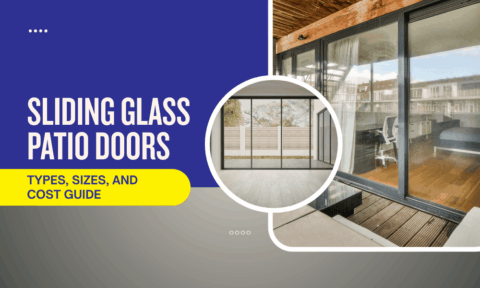
By default, materialized sliding glass doors have become a dynamic element of grandeur in modern homes to concentrate the splendid possibility of indoor living and face the outdoors. Admired for a clean design that consumes light and capitalizes on visual appeal, they go smoothly on runways from the inside and fly out as well as slide into patio spaces and gardens equally.
Sliding glass patio doors are what homeowners contemplate while separating what is practical and following a mechanical procedure, with questions popping up before them easily: How do these doors slide open, and what types of doors are there? What measurements must be standard? And are these doors more costly only? What can spoil the long-term functionality of these doors? Having aesthetically pleasing, durable, comfortable, and affordable choices based on facts is difficult to do through sales pressure.
What Sliding Glass Patio Doors Are and How They Work
Sliding patio doors are constructed of large glass panels set within a frame, which usually allows at least one panel to slide horizontally along a track. Bottom rollers support the moving panel (and in some cases, top guides) so that it can slide past the stationary pane smoothly.
What distinguishes this door from hinged patio doors is just that mechanism: since they don’t require a clearance for a swing, they are very useful in making the room’s arrangement effective or in terms of good circulation of people. The style of glass that has been controlled at excessive rates during daylight in the event of over-setting suns in these cases, for they have been very common within the living room, dining area, and main bedrooms.
Popular Types of Sliding Glass Patio Doors
Sliding doors come in quite a few configurations, each providing different advantages to appeal to the structural layout, style preferences, and how that space is intended to be used.
1. Single-Panel Design (Standard)
This is an easy choice, featuring a sliding panel and a fixed panel next to each other; suitable for most homes, this design remains adjustable with no need for extensive structural alteration.
2. Double Sliding Design
Double sliding glass patio doors can slide both leftward and rightward, making openings so much more user-friendly. It is the best bet for straddling wider openings, as its design allows it to let air in from both sides for extensive air aspiration.
3. French-Style Option
French sliding glass patio doors combine beautiful traditional French door likeness with all the fittings of a sliding system. Mostly featuring a wider frame and a classic appearance, this style is very popular among users with transitional or traditional homes.
Modern Design Features Homeowners Look For
The sliding doors have gone beyond their basic function. Now the homeowner looks for gloss, comfort, and function in the balance.
Frame materials play very important roles in the perception of appearance and durability. Aluminum is the way to go for slim profiles and modern looks, while vinyl and composite frames offer good insulation and minimal maintenance. On another note, those kinds of glazing options have also come a long way.
Besides all that, another very eminent thing is energy efficiency. High-quality sealing systems and glass technology result in substantial dew point reductions, making modern sliding glass patio doors suitable to diverse climatic conditions for greater interior temperature control.
Common Sliding Glass Patio Door Sizes
Knowing the dimensions of patio doors certainly helps home occupants to draw realistic expectations before they decide to get them. The most common sliding glass patio door sizes range in width and height, as is the case with many standard models meant to fit typical residential doors.
Two-panel settings are usually the width, while taller heights increase light and help open space. Nevertheless, the measurements might not match the dimensions in a building, so custom sizing would be a good option to go for.
Understanding Cost Factors for Sliding Glass Patio Doors
The cost of sliding glass patio doors can vary widely and depends on several interconnected factors, especially, but not only, with door size in mind. We must note that the making of a patio door influences this in various ways, as said making may include materials, type of slide, frame specification, and special features, significantly affecting pricing.
For existing unit replacements, the cost to replace sliding glass patio door systems will include the procedure of removing and disposing of the old unit, structural adjustments (if necessary), and interior or exterior finishing touches. Installation complexity sometimes plays a greater role than the door itself, and therefore, one should have accurate estimates made so that one knows what one is getting into.
Hardware, Tracks, and Rollers: Why They Matter
Sliding door operation really depends on what typically might not be seen at first. Sliding glass patio door rollers support the weight of the moving panel and permit a very gentle glide, even under considerable glass surface areas.
The sliding glass patio door track design ensures door-panel alignment and helps in the process of moving the panels. Over time, the door track might warp, catch debris, or wear unevenly, hindering the door’s functioning.
Such doors, destined to give years of service, must truly entrench heavy performance as well as unabated safety. Well-designed components should help take the strain off the main unit and cut down on possible maintenance, hence giving a long life to the door.
Seals, Glass, and Energy Efficiency
One of the cardinal features of home comfort is established by how well the sliding glass patio door seals. The seals on the sliding glass patio door are designed to limit air and moisture penetration so that thermal concentration in a room can be maintained at a stable rate while drafts are reduced.
These new options offer better insulation and yet do not block the entry of sunshine. Provided that the glass is broken or inefficient due to the passage of time, any sliding patio door glass replacement will ensure that the performance of the door is back in operation while not replacing the entire frames, provided they remain in good shape.
Seamless sealing and glazing together bring forth advanced energy efficiency, conditioned air, and soundproofing, as well as weather resistance.
Blinds and Curtains for Sliding Glass Patio Doors
Privacy and the capacity to control light become essential when a home is endowed with wide pieces of glass. With sliding glass patio doors with blinds just blended together with the blinds encased between glass sheets, we get a very neat solution. These systems have been proven to be very low maintenance and do not get soiled or worn off easily.
With a blinds option, blinds for sliding glass patio doors present a flexible mixture of style and light control capacity, and a softer-hued and decorative one with the use of curtains. The stronger and brighter, the larger becomes the timeliness and cleanliness of use and the operation of sliding glass doors for homeowners.
Conclusion
Choosing the right sliding glass patio doors depends on many factors, including style. It needs door type, size, hardware quality, glass performance, and long-term maintenance; altogether, these determine the usefulness of the door.
Knowing those factors helps homeowners in determining what they like amidst the practical considerations of everyday life. Expert opinion will ensure that your door fits into your space, operates reliably, and increases the appeal of your home for years to come.
FAQs
1. Why are sliding glass patio doors so popular?
They form a connection between living spaces and patios, decks, balconies, and gardens. Sliding doors offer a smooth transition from indoors to outdoors and bring air, light, and greenery indoors.
2. Are sliding glass patio doors efficient?
Yes. State-of-the-art designs can also be efficient for anyone living with insulated glass, good sealing, and sound installation, creating quite a difference in heat loss, draughtiness, and thermal effects within your home in any given year.
3. What should be the regular size for a sliding glass patio door?
Standard doors fill the most common residential openings, but company specifications may lead to size variation. Customizing is an option for older housing units or projects demanding larger openings.
4. How much are sliding glass patio doors displayed for?
The sliding glass doors’ designs are often similar; variations depend on size, design, and glass type. Diverse pricing highlights changes resulting from some basic refinements.
5. Can sliding glass patio doors come fitted with blinds between the panes?
Yes, some doors are equipped with blinds inside the same glass panes. Blinds can efficiently control the level of light and provide a sense of seclusion. The sealed units also shield them from fine dust, basic abuse, and daily wear and tear.
6. How long can an average sliding glass patio door last?
A well-installed and well-maintained sliding glass door system is likely to last between 20 and 30 years and possibly longer, depending on the materials used, the frequency of use, and prevailing environmental conditions.
7. What causes a sliding patio door to become hard to open?
Common causes are worn rollers, grimy tracks, misalignment, or accumulation of debris. Regular cleaning and periodic adjustments can improve the smoothness of movement.
8. What factors warrant considering sliding glass patio door replacement rather than a repair?
Often, a repair may cease to be an option when the frames are damaged, the door continues to manifest repeated seal failures, or operational deficiencies, which remain despite attempted repairs, fall in contravention of the energy rating norms laid down.
9. Are sliding glass patio doors suitable for cold climates?
Yes, sliding doors, with insulated frames, performance glass, and an effective seal, can perform well even in colder areas.
10. Should a professional install the sliding door?
For larger or custom-sized doors, professional installation is strongly recommended to ensure proper alignment, sealing, and long-term performance.