
Laminated vs. Tempered Glass Windows: Choosing the Right Option

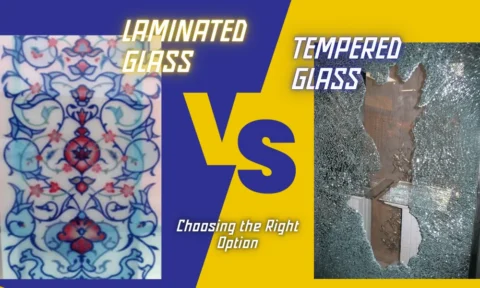
Comparison between laminated and tempered glass windows illustrating safety features.

Are you planning to have a new glass for your window? Then, you must make the right window glass for your home or office. To begin with, you need to understand the differences between laminated and tempered glass makes all the difference. Both types of glass are unique in quality and benefits. They are suitable for different applications.

This article offers an overview of laminated vs. tempered glass windows. It will help make an informed decision. For additional assistance, please approach Tanic, a reliable window glass repair and replacement company serving major cities across the GTA.

All About Laminated Glass

With an interlayer in between, laminated glass is made from two or more layers of glass. Hence, laminated glass is strong and durable and offers numerous benefits, such as:

  1. Safety and security: Owing to the interlayer, laminated glass stays together even when shattered.  It is ideal for use in windshields or skylights where holding shattered glass in places is critical or for security purposes.
  2. Sound insulation: The interlayer between the glass layers is a sound barrier. It effectively reduces noise pollution, especially in homes and offices with noisy environments.
  3. UV protection: Due to the interlayer, laminated glass blocks up to 99% of harmful UV rays. It protects human skin and interiors from sun damage.
  4. Weather resistance: Laminated glass is resistant to harsh weather conditions. It can withstand hurricanes and strong winds, making it ideal for use in areas prone to extreme weather events.

All About Tempered Glass

Tempered glass is produced by extreme heating followed by rapid cooling. This process makes it much more robust and robust than standard glass and has many benefits.

  1. Strength: Tempered glass is nearly five times stronger than regular glass. It is also highly durable. It is used in high-traffic areas as it can withstand significant impact and stress.
  2. Safety: When broken, tempered glass shatters into small and blunt pieces instead of sharp shards. This significantly reduces the risk of injury. This safety feature makes tempered glass ideal for shower doors, ceilings, railings and glass doors.
  3. Heat resistance: Tempered glass withstands high temperatures, making it suitable for oven doors, fireplace screens, and heat-exposed windows.
  4. Versatility:  Tempered glass is equally versatile and hence used in automotive windows, skylights, and storefronts use tempered glass.

Laminated Vs. Tempered Glass Windows: Which One is Right for You?

When choosing between the two, consider the following factors:

  1. Safety and security needs: If safety and security are a priority, laminated glass is a better option. Laminated glass stays intact even when shattered. Laminated glass is, therefore a safer choice for homes with children or schools.
  2. Noise reduction: Laminated glass is the better choice for reducing sound in properties located in noisy areas. Its sound-insulating properties can create a peaceful indoor environment.
  3. UV protection: Protecting interiors from UV damage is necessary for properties with large glass facades. Laminated glass offers excellent UV blocking capabilities, thus protecting the interiors against sun damage.
  4. Durability and strength: Tempered glass is ideal for withstanding high impact and stress. It can break into small and harmless pieces, making it suitable for high-traffic areas or applications where safety is a concern.
  5. Weather resistance: In regions prone to extreme weather, laminated glass provides better protection against natural elements. Tempered glass is durable in harsh weather and ideal in such environments.

We present a table highlighting the uses of laminated and tempered glass for your benefit.

Type of Glass and Their Uses
Laminated Glass Tempered Glass
Windshields

Museums, Stores

Skylights, Canopies

Windows within noisy areas

Aquariums and terrariums

Architectural Quotient

Vehicle windows

Glass tabletops

House Doors, windows

Shower Doors

Appliance doors

Screen protectors

Window Glass Repair in Toronto: Contact Us

Ultimately, laminated and tempered glass have their respective advantages. Both offer unique benefits that cater to specific needs. Understand their differences and choose the option that best suits your needs.

Whether you choose laminated or tempered glass for your property, their

Proper installation and maintenance are essential for laminated or tempered glass on your property.  Tanic offers expert services that help maintain the safety, security and beauty of all types of windows and glass facades.

Contact us today to learn more about our window glass repair services. Find out how we can be of service. Whether you need window glass repair in Toronto or any other related service, our team of professionals is ready to provide you with the best solutions for your property.

FAQs

Q: What is the key difference between laminated glass and tempered glass?

A: Laminated glass is made by bonding two or more glass layers together with a plastic interlayer. When broken, it holds together in one piece, making it ideal for security and safety applications. Tempered glass is created by heating and rapidly cooling glass to strengthen it. It is about five times stronger than regular glass, and when it breaks, it shatters into small, blunt pieces rather than sharp shards, reducing the risk of serious injury.

Q: Which is better for sound insulation — laminated or tempered glass?

A: Laminated glass is significantly better for sound insulation. The plastic interlayer between the glass panes acts as a sound dampener, reducing the transmission of external noise into your home or office. This makes it the preferred choice for properties located near busy roads, railways, or other sources of noise. Tempered glass does not offer the same level of acoustic performance.

Q: Does laminated glass offer UV protection?

A: Yes, laminated glass is highly effective at blocking UV radiation. The interlayer in laminated glass can block up to 99% of harmful UV rays, protecting your skin and preventing fading and damage to interior furnishings, flooring, and artwork. This makes it an excellent choice for homes with large windows or glass facades that receive significant sun exposure.

Q: When is tempered glass the better choice over laminated glass?

A: Tempered glass is the better choice in situations where impact resistance and durability are the primary concerns. It is ideal for shower doors, glass tabletops, high-traffic areas, automotive windows, and applications where the glass may be subject to thermal stress or physical impact. Its ability to shatter into harmless pieces also makes it a safe option in these settings.

Q: Can laminated or tempered glass be repaired if it breaks?

A: Neither laminated nor tempered glass can be repaired once it is broken — both must be replaced. Tempered glass cannot be cut or drilled after it has been tempered, and once broken, the entire pane must be replaced. Laminated glass, while it holds together when broken, will also need full replacement to restore its structural and safety performance. A professional glass technician should always handle the replacement.
How Does Tempered Glass Improve Building Safety?

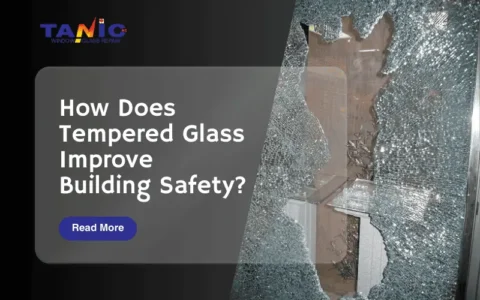
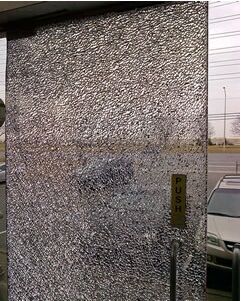
High-quality tempered glass panel showcasing durability and safety features for residential and commercial use.

In the stylish realm of modern construction, safety reigns supreme, and building safety with tempered glass is the undercover hero beefing up buildings. This specially cooked-up glass at Tanic, born from a thermal makeover, has flipped the script on safety design, packing unbeatable strength and reliability into every structure.

Tempered glass, often referred to as safety or toughened glass, undergoes a meticulous manufacturing process.  It involves heating the glass to high temperatures and then rapidly cooling it. This technique results in balanced internal stress, lending exceptional resilience and durability to the glass, far exceeding the capabilities of standard annealed glass.

One of the primary features that distinguishes tempered glass is its shatter-resistant property. Unlike regular glass, which breaks into sharp shards, tempered glass fractures into small, granular pieces. These small pieces are less likely to cause severe injury. This inherent safety characteristic makes it ideal for window glass repair or replacement in Toronto. Various architectural applications, especially in high-traffic areas or places prone to potential impact prefer Tempered Glass.

Need building safety with tempered glass? Contact us at Tanic for hiring a professional for window glass repair or replacement in a building.

Tempered glass

tempered glassTempered glass is the muscle-bound hero in the glass universe, shrugging off hardcore force and pressure. It’s the superhero thwarting Mother Nature’s temper and unexpected accidents. In buildings, it’s the shield, batting away wild weather and slashing the odds of shattering, keeping everything secure. And it’s unflappable, acing all temperature challenges, proving it’s the rock-solid champ that never falters, whatever the setting.

Tempered glass isn’t just about safety—it’s a canvas for creativity, letting architects and designers dive into innovative, chic designs. From facades to windows, doors, and glass partitions, it can be seen everywhere. Its use doesn’t just amp up a building’s looks but adds that touch of sophistication and modern flair.

But that’s not all. Tempered glass isn’t just a fancy glass; it’s a rule-following champ. It ticks all the boxes for building safety codes. Hiring a professional for window glass repair or replacement for Tempered glass installation keeps everyone calm about the building’s strength and meeting those strict regulations. Read more.

Building Safety with Tempered Glass – How Tempered Glass Enhances Safety?

Resistance to Thermal Stress

Tempered glass demonstrates exceptional resistance to rapid temperature changes. This attribute makes it suitable for applications where exposure to varying temperatures is common. Skylights or glass roofs are popular examples. The ability to withstand thermal stress minimizes the risk of breakage due to temperature differentials.

Impact Resistance

Its ability to withstand significant impacts without shattering makes tempered glass an ideal choice for areas where safety is paramount. In the high-rise world, tempered glass steps up its game, securing building facades, balconies, and glass railings. It’s like an extra safety net installed by a window glass repair or replacement in Toronto, slashing the odds of an accident.

Durability and Longevity

Tempered glass’s durability ensures it maintains its structural integrity over time. This longevity reduces the need for frequent replacements or repairs, making it a cost-effective choice in the long run. Furthermore, this contributes to sustainability efforts in construction.

Improved Security

Tempered glass not only enhances safety but also contributes to improving security measures. Building safety with Tempered Glass isn’t easy to crack—it’s tough as nails, making it a solid deterrent against unwanted guests like burglars or vandals.

Sound Insulation

Tempered glass possesses soundproofing qualities, reducing external noise infiltration. Hiring a professional for window glass repair or replacement to incorporate it in buildings can create quieter and more serene interiors.

Impact on Property Value

The utilization of tempered glass can positively impact property value. Furthermore, the safety features and aesthetic charm of tempered glass play a significant role in boosting property valuation. Building safety with Tempered Glass brings a double dose of goodness, attracting homeowners and commercial property owners alike. Moreover, it’s not just about security; it’s about elevating the value of their spaces, making it a savvy investment that offers both safety and increased property worth.

Environmental Benefits

By reducing the frequency of replacements, tempered glass actively curbs waste production, championing sustainability. Additionally, this eco-friendly trait contributes significantly to minimizing environmental impact and fostering greener practices in the industry.

Building Codes and Standards

Compliance with stringent building codes and safety standards is simplified with the incorporation of tempered glass. Moreover, its inclusion aligns with regulatory requirements, ensuring that structures meet safety benchmarks.

Final Take

The inclusion of tempered glass in construction not only signifies a new era of safety and innovation but also represents a harmonious blend of architectural excellence and steadfast safety measures. Additionally, its strength and advanced safety features make it a crucial element in ensuring the safety and security of those within buildings.

Always bear in mind, that emphasizing building safety with Tempered Glass in construction transcends mere legality—it’s a pledge to forge spaces that champion the paramount values of protection and security for everyone involved. So visit Tanic, or contact us today for reliable window glass repair or replacement in Toronto.

FAQs

Q1: What makes tempered glass safer than regular glass in buildings?

A1: Tempered glass is manufactured through a process of heating and rapid cooling, which creates balanced internal stress within the glass. This process makes it approximately four times stronger than standard annealed glass. The most important safety advantage is how it breaks: rather than shattering into large, jagged shards, tempered glass fractures into small, rounded granular pieces that are far less likely to cause serious injury. This makes it the preferred choice for high-traffic areas, entrances, and any building application where impact risk is a concern.

Q2: How does tempered glass help buildings withstand extreme weather conditions?

A2: Tempered glass has exceptional resistance to thermal stress, meaning it can handle rapid temperature changes without cracking or breaking. This makes it ideal for skylights, glass roofs, and exterior facades that are exposed to sun, heat, cold, and weather fluctuations. Its strength also helps resist the impact of strong winds and storms, which is why it is commonly specified for commercial buildings, high-rise structures, and areas prone to severe weather.

Q3: Does tempered glass offer any security benefits beyond basic safety?

A3: Yes, tempered glass significantly enhances building security. Its strength makes it considerably more difficult to break through than standard glass, acting as a deterrent to break-ins, vandalism, and forced entry. In commercial and residential buildings alike, installing tempered glass in windows, doors, and glass partitions provides an added layer of protection. Tanic’s professional installation ensures that the glass is properly fitted, maximizing both its safety and security performance.

Q4: Can tempered glass improve the acoustics inside a building?

A4: Yes, tempered glass has soundproofing qualities that help reduce external noise infiltration when used in windows and glass partitions. While its sound insulation properties are not as advanced as specialized acoustic laminated glass, tempered glass still provides a meaningful reduction in ambient noise. This makes it a valuable material for buildings in busy urban areas or near high-traffic roads where noise reduction contributes to a more comfortable indoor environment.

Q5: Is tempered glass required by building codes, and how does it affect property value?

A5: In many jurisdictions, building codes require tempered glass in specific applications, including shower enclosures, doors, large windows, and areas near floor level. Using tempered glass ensures compliance with these safety standards, simplifying inspections and approvals. Beyond regulatory compliance, properties fitted with tempered glass often command higher valuations, as buyers and tenants recognize its safety, durability, and aesthetic appeal as a worthwhile long-term investment.